My First Culchie Sailing #100DaysOfOldDays

Day 83 #100DaysOfOldDays

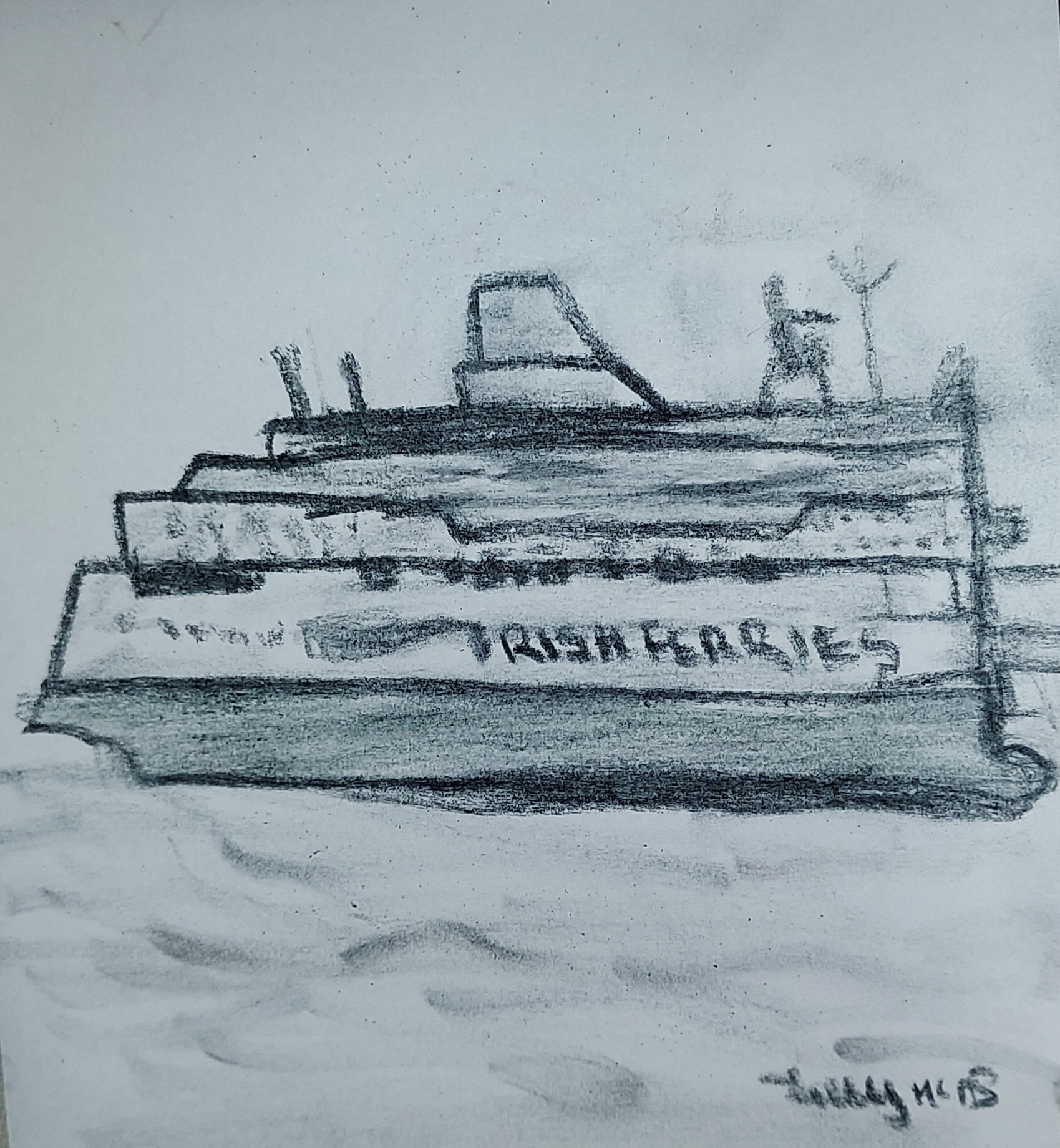
The first time I went to England to visit my cousin I got the ferry from Dún Laoghaire to Holyhead. My first time to leave Ireland! Flying wasn’t an option because I couldn’t afford it. It was the summer of 1985, just a few months before Ryanair began to grace the skies with their affordable flights—I’m not even sure if they were affordable in the beginning. 

I sailed on the ferry with my aunt and her three small children. It was very exciting getting onto the big boat. We dragged our bags behind us as we walked through the crowd from one end of the boat to the other to find a seat. My aunt had a buggy for her youngest child, and the bottom of it was loaded with bags. We eventually found a seat where we sat and ate our packed lunch. 

I went off exploring, swaying from side to side like a drunk. I couldn’t believe the boat had shops and bars and restaurants. I was such a culchie! I didn’t buy anything on the boat because I only had about £80 to last me for a week. A Cavan culchie! 

A lot of passengers were sitting on the floor because there were no seats available. Excited children ran around the boat with stressed mothers after them. 

I climbed the white painted steel steps to go out on deck. It was fierce windy, I had to hold on tight as I leaned across to look into the sea. White foamy waves crashed against the side of the boat spraying my face with their saltiness. The boat was noisy and didn’t move very fast at all.  

Ireland had disappeared. I couldn’t wait to see England. I returned to my aunt and we ate biscuits. I tried to sleep but I couldn’t.

I went back out on deck as we approached Holyhead. I felt very grown up but also quite vulnerable and nervous. Already I was thinking about the return trip that I had to do alone.  

People had started to move to the exits as the ferry got closer to docking. Some passengers still lay on the floor, in no hurry to move. Children who had run around with excitement earlier, were now crying with tiredness.  
The ferry docked and we walked off and made our way to our bus, which was included in the travel deal. Passports weren’t needed for the ferry back then; all you needed was your ticket. It was all so easy and stress free.

I expected everything to look different from Ireland but it wasn’t. The roads were the same, the tress were green and the people were just like us.  

My pale pink flowing skirt was very creased by now and had chocolate biscuit stains on it. I was hot and sticky in the blue knitted top I wore. I had no idea how to dress for travelling. 

People on the bus smoked and I gladly inhaled their passive smoke. I had ten cigarettes in my bag but at seventeen, I didn’t smoke in front of ‘adults’, so in my bag they stayed.  

I think that bus journey was about five hours—I thought I’d never get there. My belly was full of sandwiches! 

My cousin Louise picked me up at a bus station in some part of London, and my aunt and I said our goodbyes and parted ways. My cousin had a job interview to attend and she brought me along with her.   

She was being interviewed for a typist position in an office of some sort. I felt awkward, dirty and tired. But they were nice to me in there, as if it was a normal thing to do—take along your culchie cousin when you attend a job interview. They gave me tea. (It wasn’t Lyons tea but it was grand.) 

Part of the interview was a typing test to show how many words you could type per minute. Louise must have made an impression with her typing skills because she got the job. But she didn’t accept it for various reasons. One reason was, the price of the daily train fare would have taken a huge chunk out of her wages.

Well, I had a great first holiday in England. I saw Barbara Windsor crossing the street in London and I met Lewis Collins in a pub in High Wycombe, and I got his autograph! I was a massive fan of The Professionals.

I managed to get back home to Ireland safely! It was my first of many sailings with Irish Ferries. I was 26 before I got on a plane!  

Ya Big Amadán #100DaysOfOldDays

Day 82 #100DaysOfOldDays 

Today’s prompt for Linda G Hill’s #SoCS (Stream of Conscious Saturday) is “a phrase you grew up with.” Include in your post a phrase your mom/dad/grandparent/sibling used all the time when you were growing up, or just write whatever inspires you based on that phrase. 

Linda’s prompt ties nicely into my #100DaysOfOldDays posts. 

Here’s the phrases and sayings I remember!  

PLEASE DON’T REPEAT ANY OF *THESE* AT HOME AS YOU MAY BE REPORTED! It’s important to remember that children of the 70’s, had armadillo skin.

The mothers had the worst best most unusual sayings! 

*‘It’s far from your ass, you won’t sit on it.’ (When we complained of a minor ailment.) 

*‘Is your face hurting ya?’ (When we cried for little or no reason.) 

*‘If you don’t stop crying, I’ll give you something to cry about.’ (When we cried for little or no reason.) 

*‘And what did you do to deserve it?’ (When we came home from school and reported that the teacher slapped us.) 

*‘May the divil mend you.’ (When we suffered consequences of something we shouldn’t have been doing in the first place.) 

*‘I’ll pull the skin of your ass over your head.’ (When we were in trouble.) 

*‘Lie with dogs and you’ll rise with fleas.’ (When we picked up the bad habits of others.) 

*‘Ya big amadán.’ (When we did something stupid.) 

*‘Swallow your spit.’ (When we wanted another drink from the bottle of red lemonade on a car journey.) 

‘You’ve a face on you that would turn back a funeral.’ (When we sulked for little or no reason.) 

*‘Get out and don’t come home ‘till tea-time.’ (When mother was having a bad day.) 

‘Where were you, who were you with and what were you doing?’ (When you didn’t come home at tea-time.) 

*‘Don’t be giving me your oul guff.’ (When we gave our opinion.)  

*‘Hen’s pens, turkey’s treacle, midget’s beef and bumbee’s bacon.’ (When we asked what was for dinner.) 

*‘It’s six of one and half a dozen of the other.’ (When we were fighting and we were all to blame. She wasn’t taking anyone’s side.) 

General sayings in the community; 

‘Now put that in your pipe and smoke it.’ (When the true version of a bit of gossip was told, especially when it came from “the horse’s mouth”—the person who 100% knows the real story of said gossip.) 

‘Honest to God.’ (When gossip was being repeated—the true version.) 

‘He landed with one hand as long as the other.’ (He brought nothing with him) 

‘She’s like a broken record.’ (She says the same thing over and over.) 

‘You’ve made your bed, now lie in it.’ (You made a decision that turned out to be a bad one.) 

How on earth did we make it to adulthood? Yep, armadillo skin and we didn’t take things too seriously.

And The Band Played Roddy McCorley #100DaysOfOldDays

Day 81 #100DaysOfOldDays 

In November 1977 the Bailieborough Youth Band was formed. All the young aspiring musicians of Bailieborough turned up at the community centre to join the band. Bridie Farrelly and Mary Clarke were on the band committee and Joey Larkin was the chairperson.

They needed drummers, accordion players and tin whistle players—or flageolet as the band master, John Farnan, called it. Oh…and cymbal players! Was there a triangle too?

We bought our chosen instruments and lessons began immediately. I started with the tin whistle and then moved on to the accordion. John Farnan was a strict but excellent music teacher. He took no messing. You were there to learn music or you stayed at home. He was very dedicated to the marching bands community.

The leader of the band was our majorette. As far as I remember, Loretta Rogers was the first Majorette. Marcella Brady took on the role for a few years in the 80’s. I’m pretty sure Bridgette Murray did it for a while too. 

Did I dream this part? The FCA came in to teach us how to march. Did that happen? Left…right! Left, right, left! And they showed us how to do that wee quick skip if you fell out of step with the rest of the band. Left…right! Left, left, right!

Within seven months of learning our new instruments we were ready to shine. Our debut public appearance took place at the opening of the Bailieborough festival in June 1978.  

We were in our element in our crisp white shirts, dark blue skirts, and trousers for the boys. We had dickie bows too, and a sash and a beret to complete our uniform.

The roll of the drums and the cue from our majorette as she began to twirl her staff, started us on our first live march. Off we went through the streets of Bailieborough playing the likes of Roddy McCorley and The West’s Awake—feeling quite nervous. Proud mammies and daddies cheered us on from the crowd. 

I’d be doing well to remember all the tunes we played on our first outing. But others I remember learning during my years in the band are; Colonel Bogey, Maggie, The Minstrel Boy, Spancil Hill, O’Donnell Abu, and our good ole Amhrán na bhFiann.

The most exciting part of being in the band was the many trips to festivals and competitions. We’d travel on a bus and eat loads of sweets. God help the bus driver’s ears, as we all practiced a different tune on the way there.

We played in hot sun, rain and sometimes snow but won prizes for different categories; best dressed, best musical performance and best marching techniques. And we had a lot of fun along the way.  

I came across this photo on Bailieborough History.

The photo is old and blurry but I can make out a few people starting from the back row, although I may have one or two wrong; Niall Keegan, Rosena Brady, maybe one or two of the Carolans, I think the majorette was Loretta Rogers, Jim Brady, Bridget Murray, Clare Connolly.

Second row; I can only make out a few girls in the center – Sheila Brady, Katriona Larkin, Elizabeth Sheridan, Sharon Connell, Pauline Reilly, Eileen Reilly, Ann Donohoe, Eileen Farrell.

Third row; Martin Smith, and that’s about all I can pick out from that row! I see they’re wearing jackets. I don’t remember us having jackets as part of the uniform.

Front row; I can’t make out too many here either. Is it Lynda Rogers behind the bass drum? That’s me in the front row fifth from the right. I think Linda McCluskey is there too, and Sandra Coleman. I know lots more who were in the band, but I just can’t pick them out in this photo.

The marching bands were the heart and soul of the parades! They’re most definitely not gone but they’re not as plentiful as they once were.

Now, all this makes me want to go out and buy an accordion! 

School #100DaysOfOldDays

Day 80 #100DaysOfOldDays

We were always told that our school days were the best days of our lives. Of course, we didn’t believe it at the time. But it wasn’t the case for everyone. 

Not all children were treated equally and a lot were treated unfairly because of their social status or their intellectual inabilities. Teachers were often rough and corporal punishment was legally accepted.  

Going back to my parents’ generation, school was much different than it was in the 70’s when I was at school. 

They walked to school (sometimes barefoot) and for some it was miles from their home. They took a shortcut through the fields when they could. They carried their few books under their arms along with a small lunch—sometimes no lunch.  

The schools had fires lit in the classroom and the children had to bring in money to cover the cost of coal. I’ve been told stories about a teacher who stood with her back to the fire all day long, thus preventing the heat from getting around the room. She only allowed the well-off children to stand around the fire. The less privileged children stayed back in their seats.  

Children got caned regularly for very little. Teachers had favourites. I remember my dad talking about a teacher that was a very nice woman. She treated all the children with kindness. I think her name was Miss Carroll. 

Another story I heard was; a teacher who used to ride her bicycle to school didn’t realise her bloomers were on show as she pedaled along. A certain group of children whom she passed on the road, would have a great giggle at her under frills! 

A lot of children, especially boys, left school very young; some as young as twelve. They left to work on the home farm or a bigger farm nearby. Some emigrated and never came home. Girls left early to work in shops or the local boot factory. 

My school days were quite okay to be honest. I liked school, most of the time. By the 70’s, classroom conditions had improved, although we still had the big fire. We loved getting picked to go out for coal and always took a bit longer than was necessary. I never remember being cold in school.

One half of our school—St Anne’s—was for the boys and the other half was for the girls. In the playground we were separated by a barrier, and we didn’t dare enter the boy’s side nor did they enter ours. Of course, there were one or two daredevils who just couldn’t resist the challenge of running along the wrong side of the barrier. (I did it once.) 

I remember in junior and senior infants—low infants and high infants as it was called—we wrote with chalk on little black slates. My favourite subject in every class was nature—I don’t think it was called a subject though. I knew the names of every leaf and bird. I hated sums and I still do. I liked English reading. 

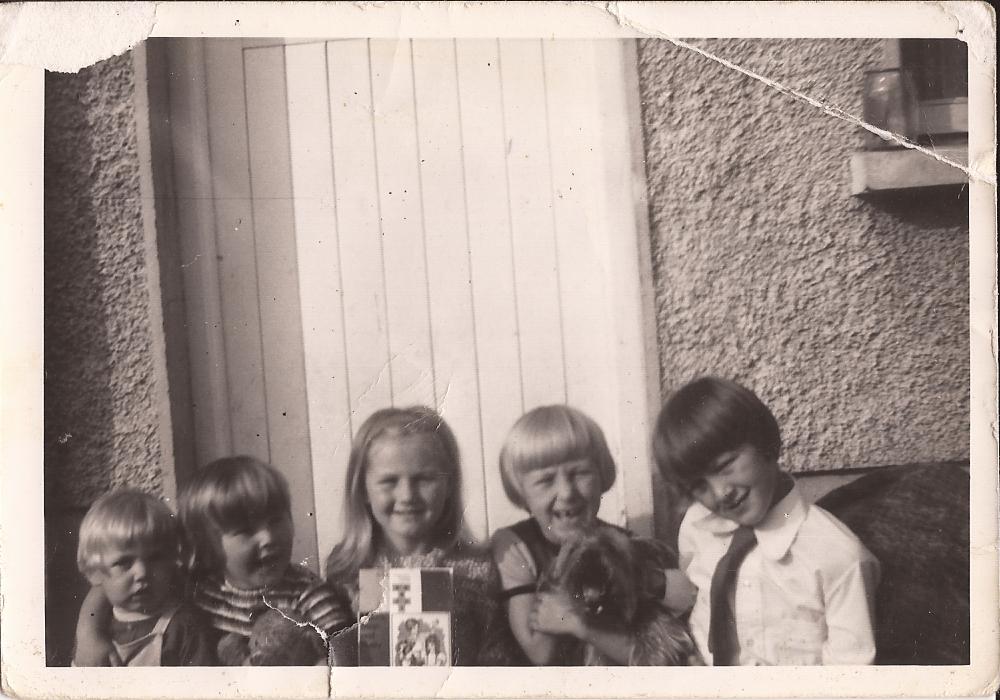
In this photo I’m holding my new reader, Maura, Sean and Rusty the dog. 

Mam covered our books with wallpaper, or brown paper that was once a bag! 

The Spraoi annual came at Christmas. We were always a year late getting ours; at the jumble sales!  

I was in third class when Miss Traynor came. She was young and enthusiastic. She sang a lot and played a guitar. She loved nature study and art. She always smelled of lovely hand cream. She was my favourite!

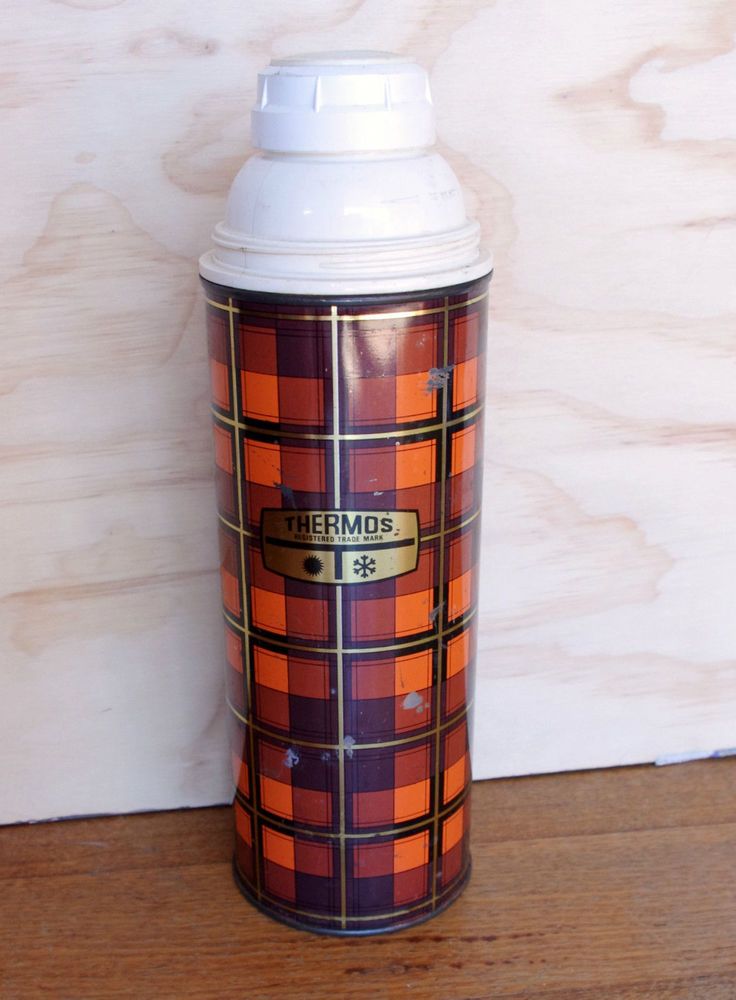
We ate our lunch in the classroom or outside on a good day; in the shelter or on the grass. I had bread and jam, or maybe a corned beef sandwich, and diluted orange in a glass bottle. In the winter I brought soup or tea in a wee Thermos flask. Then it would break and I’d be back to bringing the bottle for a while. I was always envious of the children who had cake for lunch. 

Our desks had the little ink wells in them but we weren’t of the quill and ink era! We had pencils and sticky crayons that I can smell right now! We had wooden pencil boxes. Then at Christmas we’d get a wallet style pencil case that was filled with colouring pencils. I remember the first day I got a geometry set. It didn’t encourage me to like maths any better, I just liked all the bits and pieces in the tin box!

When the health inspectors came to school, we had to line up in our vest and undies to get examined. An awful practice that was!  

The cane was still very much a part of school life in the 70’s. Although, the ruler was more common. That stung!  

I was about seven when I got a few hard slaps with the ruler from one teacher. She left the room to talk to someone who had come knocking. Everyone in the class was dying to know who she was talking to, daring each other to look. I said I’d do it so I ran to the top of the room and looked out the door. (It was Pauline Reilly’s mammy.) As soon as the teacher came back in, a chorus sang out, “Please Miss…Gloria McEntee went up and looked out the dooooorrrr.” I never felt so betrayed in all my life! 

She slapped my hands with the ruler as she recited slowly, “Curiosity killed the cat.” I got a slap for each syllable!  

The same teacher wouldn’t let me go to the toilet when I asked three times. I peed on the floor beside her desk. My mam wasn’t too impressed with that. She told her before I had a weak bladder! 

However, I did like school. We had a lot of fun and most of my memories are good ones. We lived a short walking distance away, and there was always someone to walk home with. On rainy days we’d often get a lift to or from school with a neighbour. Phil Dunne had a big van and we’d all pile into it! And some days we had money for Mrs Fulton’s on the way home.