The Babby House #100DaysOfOldDays

Day 55 #100DaysOfOldDays

Did you have a babby house when you were a child? Do you know what I mean when I say babby house? It’s what we called our outdoor playhouse. The boys played in a fort and the girls played in a babby house. (Is this only in Ireland?) Occasionally the girls were allowed into the fort and very occasionally the boys were allowed into the babby house—and only certain boys at that! 

Here’s the babby house I remember.  

It’s built from planks of woods around the bottom of a big chestnut tree in the corner of a field. The roof is a sheet of rusty galvanise. There is one window, made from a panel of tough transparent plastic. The door is a sturdy rectangular flap, also made from hard plastic, hardly big enough for an adult to pass through.  

There is a little shuck between the field and the big chestnut tree. A plank of wood forms a bridge for access to the babby house. 

The hollows in the tree are shelves, to store old food tins and jars filled with shiny red and green haws. A broken clock hangs on the stub of a branch, and two rusty enamel mugs sit on their stove which is made of four red bricks stacked into a square. 

The babby house is well-equipped with chipped plates, warped saucepans with no handles, bent spoons, and empty bottles. 

Moldy dolls sleep on a layer of withered rushes that line the bottom of a wooden crate. Dinner is cooked in one of the bent saucepans; cabbage, peas, and potatoes (dandelion leaves, green haws, all sprinkled with white clover petals). Stones are used for potatoes and eggs. 

Spiders dangling from cobwebs and creepy crawlies inhabit the babby house and get brushed out regularly only to return in the middle of the night. It’s cold in the wintertime and smells of damp soil. It’s balmy in the summertime and smells of fresh moss and chestnuts.  

The babby house was our foxhole, a place for self-expression, a place to unleash our imaginations.

Tell me, did you play in a babby house? If you had, what was it called? 
Robocop With a Quill #100DaysOfOldDays

Day 26 #100DaysOfOldDays

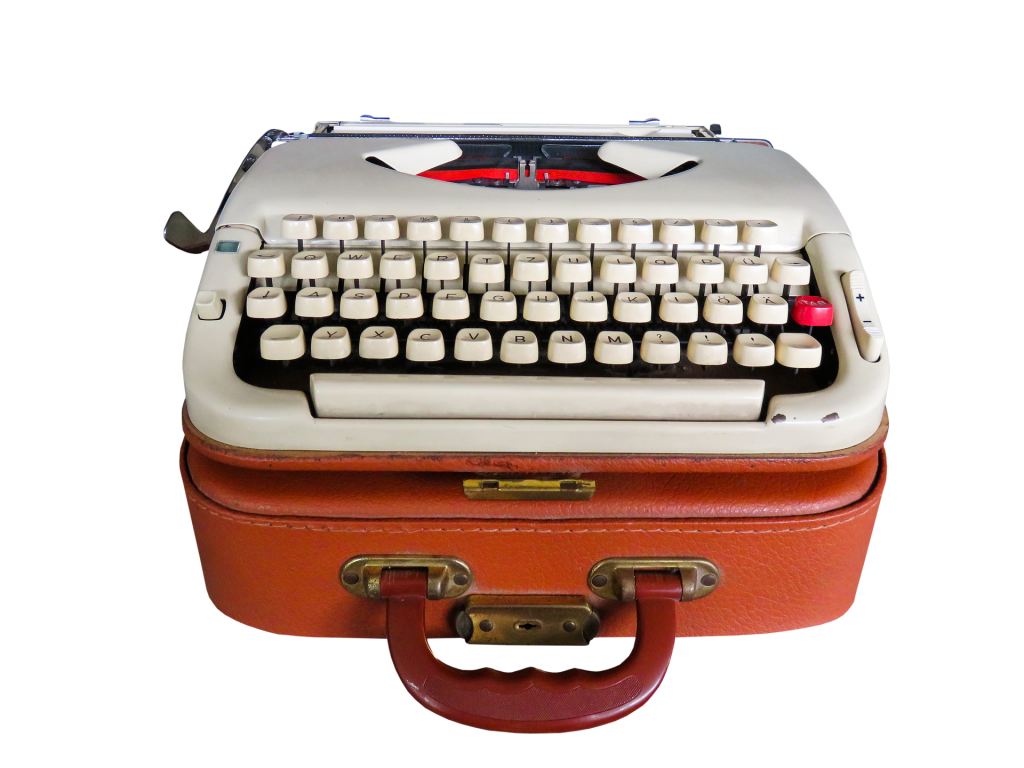
I had a beginner’s typewriter when I was about 10. I was in my element with it. Apart from the times when the ribbon came loose and my words blurred on the page. I’d go to my dad for him to fix it.

‘Aw Jesus, not again,’ he’d say.

I promised myself a real typewriter someday but by the time I needed a mechanical writing machine, computers had replaced them.

Today I discovered there is such a thing as writing robots! Nobody told me.  

If I could choose a writing robot for myself, I’d choose Robocop with a quill.

Today’s post is also part of Charli Mills’ #99wordstory weekly challenge.

📜 📜 📜

Lucy’s drawing today is of the very elegant writing instrument, the quill.


A Pocketful of Time #100DaysOfOldDays

Day 20 #100DaysOfOldDays

Pocket watches were invented by German man Peter Henlein in 1510.

In the fifteenth century only the wealthy could afford to own a pocket watch, whether they were made of gold, silver or brass. They were passed down through generations and were treasured family heirlooms.

Usually if a poor man owned a pocket watch, he would have inherited it or gotten it as a present.

In the early 1940’s the pocket watch ceased to be an essential part of a gentleman’s attire, but they came back into fashion for a while during the 70’s and 80’s.

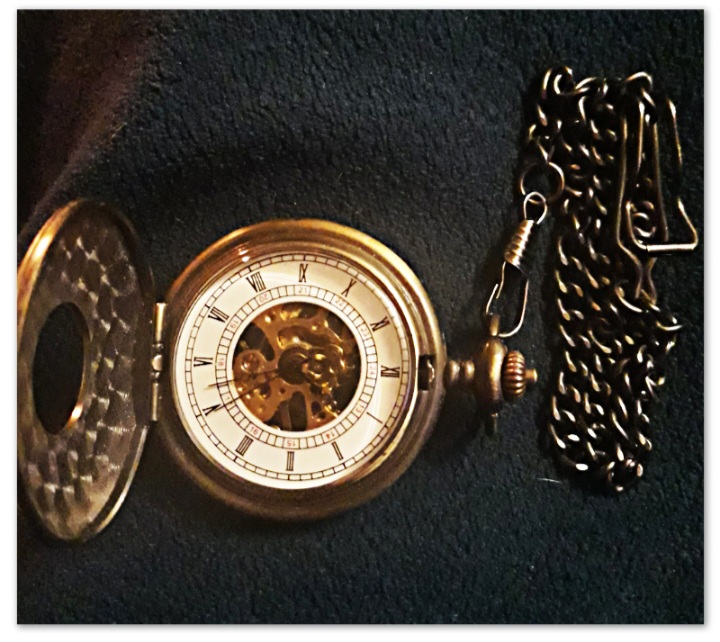
This old watch belonged to my dad. He had this one since the 70’s…if I remember rightly. As you can see it’s not exactly in mint condition. I keep it for its sentimental value.

They’re not very common these days but they’re still an essential fashion item for some people.

This one here belongs to my brother.

This is another watch that belonged to my dad. It’s only about ten years old.

Lucy’s drawing of a pocket watch

Creamery Can #100DaysOfOldDays

Day 18 #100DaysOfOldDays

Have you ever milked a cow by hand? I did. Once, when I was very young. I think I managed to squeeze out about 10mls of milk, and the poor cow got annoyed with me. I was useless to her when all she wanted was relief from a full udder.

I stood back and watched my uncle doing it instead. Sitting on the low wooden stool, he milked two teats at a time. I was amazed at how fast the milk squirted into the galvanised bucket that sat between his legs, and how it frothed up as it filled with the warm fresh milk. It looked like cream to me and I pictured blobs of it in a bowl of jelly.

Even after milking machines were introduced to Ireland, some farmers—with maybe a herd of about 10—carried on milking their cows by hand.

The milk was poured from the bucket into a creamery can, which held 9, 10 or 12 gallons, and left sitting in the overflow from the spring well to keep cool.  

A man on a horse and cart, known as the carter, collected the creamery cans to take to the creamery. Each can had the farmers own number painted on it. 

Creamery cans are now a popular garden feature. Some people paint them in bright bold colours, while others have them shined them up to their original state. I’ve seen them used as flower pots too. My mam had one which was in perfect condition, but it was robbed from her garden by a thief in the night! (Among other things)

“Enter, stranger, but take heed
Of what awaits the sin of greed,
For those who take, but do not earn,
Must pay most dearly in their turn,
So if you seek beneath our floors
A treasure that was never yours,
Thief, you have been warned, beware
Of finding more than treasure there.”
― J.K. Rowling, Harry Potter and the Sorcerer’s Stone

That’s just a wee message for the thief!

This is an ornamental creamery can I have in my kitchen.