The Salmon Capital of Ireland #100DaysOfOldDays

Day 53 #100DaysOfOldDays

Today’s post is also part of PPAC #42 hosted by Marsha Ingrao at alwayswriteblog

This mural that I’ve chosen is painted on the gable of a building that looks across at its neighbour, the Cot & Cobble Restaurant in Ballina, Co Mayo.

The town of Ballina—Béal Átha an Fheadha, meaning ‘mouth of the ford’—started off as a small seaport and market town on the River Moy in the 16th century.

Down through the centuries, Ballina has inherited its own unique culture and traditions. It’s now a thriving town with an urban population of between 10,000 to 15,000 people ( We’ll see what this year’s census reveals).

Since 2 ½ km of the River Moy is located within the surrounds of Ballina, it’s no surprise that the town is world-famous for salmon fishing, and that it’s known as the Salmon Capital of Ireland.

Ballina is also famous for the annual ‘Salmon Festival’. The 8-day event, held in July, has been running since 1964 and attracts over 200,000 visitors to the town annually.

It’s a family orientated festival that celebrates the arts, culture, heritage, music, street theatre, dance, sport, carnival and food.

For most people the highlight of the festival is the Mardi Gras that ends with an evening of a spectacular fireworks display.

The Mardi Gras and where it came from will get a post of its own during our 100 days of old days.

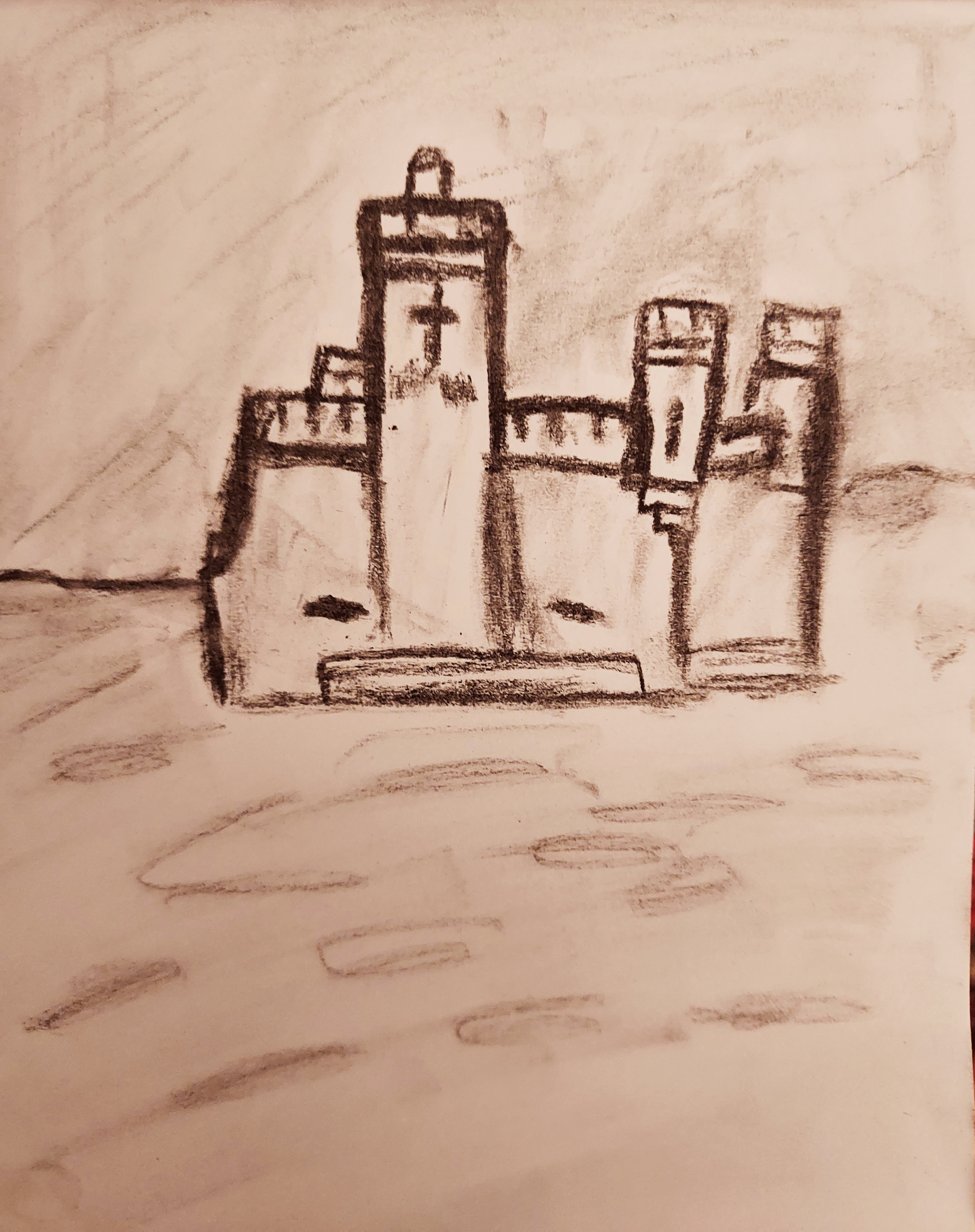
Lucy’s drawing today;

A Makeover for the Old Bathhouse #100DaysOfOldDays

Day 39 #100DaysOfOldDays

Also written for Marsha Ingrao’s PPAC #40 at Always Write.

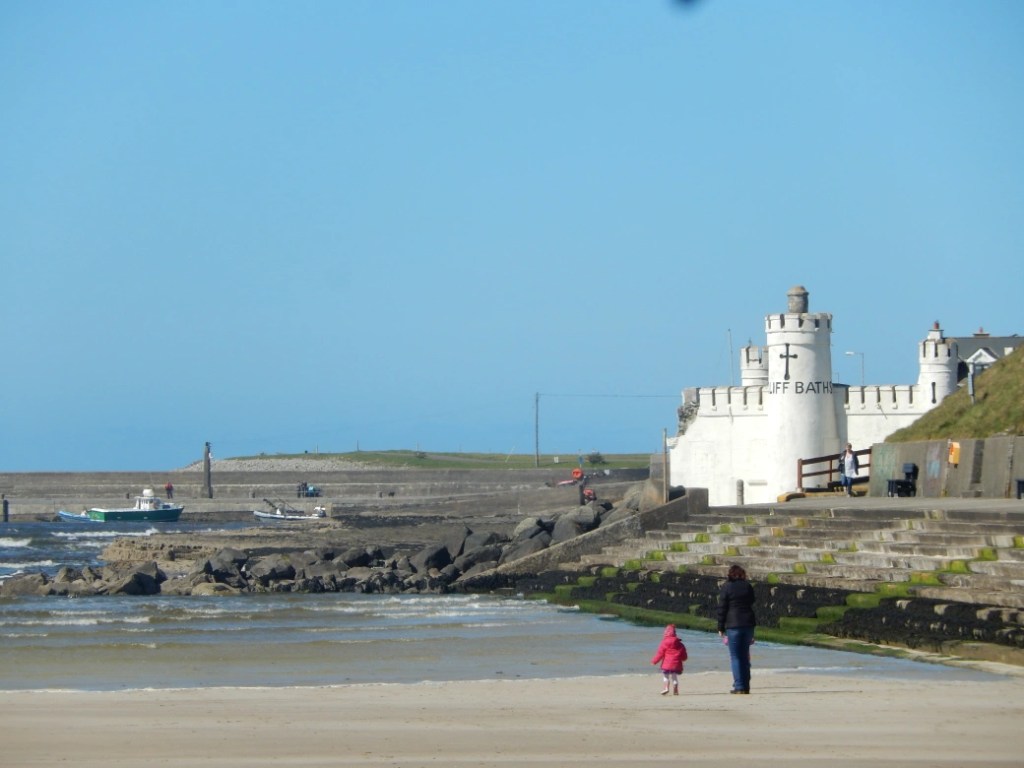
The old seaweed bathhouse in Enniscrone has recently been given an eye-catching makeover. The snow-white and striking blue colours makes it stand out more than ever before.

I’ve always loved this old building. I think it adds a sense of nostalgia to the beach. It reminds me of a giant sandcastle, very similar to what I used to make when I was a child.

The old bathhouse was built around 1750. It closed in 1912 when Kilcullen’s Seaweed Baths opened their new doors to the public.

Kilcullen’s bathhouse also has a eloquent feel to it. I often think of ancient Roman architecture when I see it. Perhaps this was the intention of the architect…given that during the fifth century bathhouses were an essential part of ancient Roman socialisation and culture.  

Kilcullen’s still maintain the original Edwardian porcelain baths with their solid brass taps; creating an authentic atmosphere.

Unlike a lot of seaweed baths, Kilcullen’s pump their water fresh from the sea, making the bathing experience even more salubrious.

While a seaweed bath is very relaxing, people also use them to treat many health conditions such as arthritis, rheumatism, general aches & pains, fungal infections, and skins conditions.

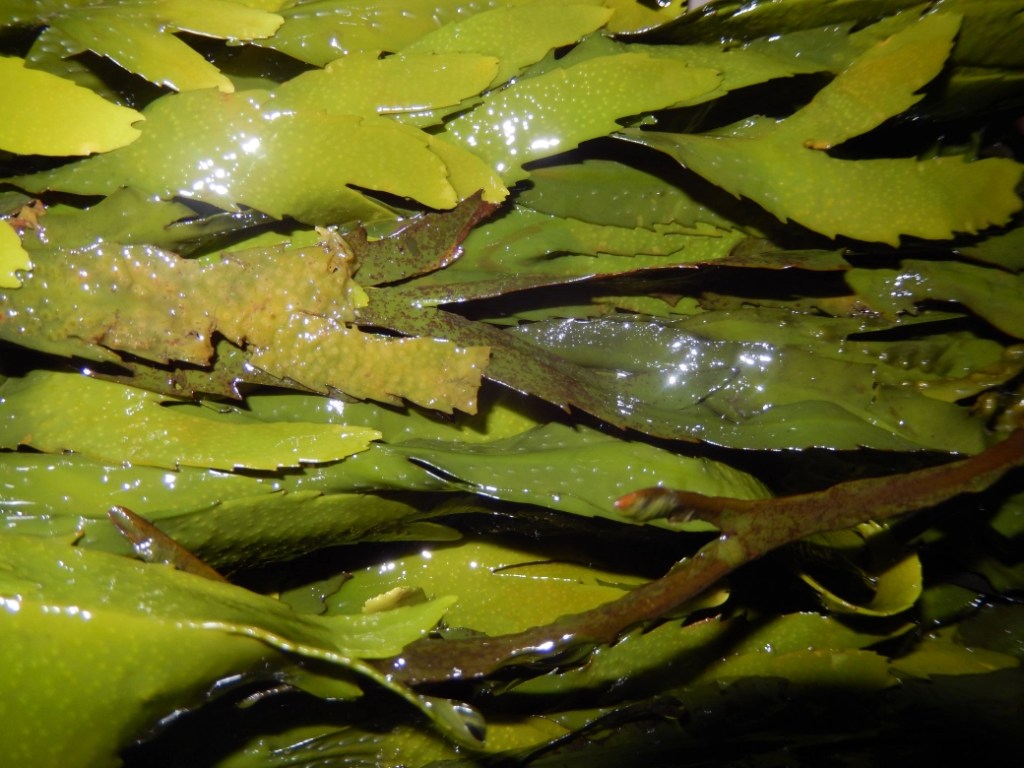
Seaweed is rich in iodine and other minerals such as zinc, calcium and potassium – all of which are easily absorbed by the body. We Irish people don’t get enough iodine from our diet and have low levels of it in our bodies compared to our fellow Europeans. Iodine is an essential element that is required by humans and all living matter. It is rare in much of our soil but is abundant in the sea.