When it Rains #100DaysOfOldDays

Day 47 #100DaysOfOldDays

Today’s post is also part of #WQW from Marsha Ingrao on Always Write Blog. Rain Has The Edge!

How does rain fit into chats about the old days? Rain is the same—probably—since the first day it ever rained on earth. I wonder when that was! Do we even know? How would we know? I’m stopping there because that kind of thing freaks me out! I like talking about the old times but NOT as far back as the beginning of time.

Rain may be the same as it always was, but in this neck of the woods, I notice one little thing that has changed.

Unless our children are into football or hurley they can’t be out in the rain. Play outside in the rain? No…they might catch a cold, the rain might seep into their pores and dilute their blood (maybe). I’d have a canary if my child was outside playing in the rain. I might get reported for neglect if nothing else.

When we were children we played outside a lot. We went home when we were hungry, at bedtime, or if our lives were in danger.

We were also mini meteorologists—all of us.

When we’d feel a few drops of rain, we’d laugh and then look up to the sky to predict our actions. Stay out or go home?

One or two pale grey clouds meant a brief shower; no need to go home.

A moderate cloudy sky with more white clouds than grey ones, meant a drizzly type of rain—it will make us wet but it will happen slowly; no need to go home.

A cloudy sky with the sun peeping through a dark grey one, meant a sun shower (our favourite); definitely no need to go home.

Scattered grey clouds in a blue sky, meant slow rain—big fat drops that tumbled down leisurely, with loads of space between each one, so we could dodge most of them; no need to go home.

Swirling grey clouds on a windy day, meant find the nearest bush and stay under it until the rain passes; no need to go home.

A black sky with no sign of blue, a rumbling in the distance. Mmm…scan further afield with our radar eyes. If the hills of East Knockbride suddenly illuminated under a flash of lightening; go home immediately.

The sun shines after the storm; go back outside.

This reminds me of the time I was on the back lane smoking with my friend Anne. We were sharing a Gold Bond cigarette that she sneaked from her mother. Too engrossed in the secrecy of smoking, we didn’t look up to the sky when it began to rain.

We took shelter deep in the bushes. As we puffed on the coffin nail, the thunder lifted us out of it. We contemplated making a run for it but we were too afraid that the lightening would hit us. We stayed in the bushes shivering with fright. I don’t know about Anne, but I got into terrible trouble when I got home for staying out during the thunder storm.

Having said all that, we live in denial of Ireland’s ability to slyly amalgamate the seasons. The first sign of a heatwave and we swarm to the beach. Only to get there and realise, it’s not a heatwave…it’s just the sun coming out of hibernation. We sit on the cold sand wrapped in a towel oblivious to the grey damp clouds on the horizon. We ignore the wee drops of rain because we’ve made it to the beach and we’re all set up now—our windbreakers will keep us dry!

We go off walking in the sunshine without an umbrella or a raincoat, and then get caught in the rain. We organise barbecues when the sun comes and end up finishing everything inside on the grill.

We have Easter egg hunts—in the snow!

Yet…we don’t send the children out to play in the rain like in the old days! We’re a funny bunch really!

All Done in Vain #100DaysOfOldDays

Day 34 #100DaysOfOldDays

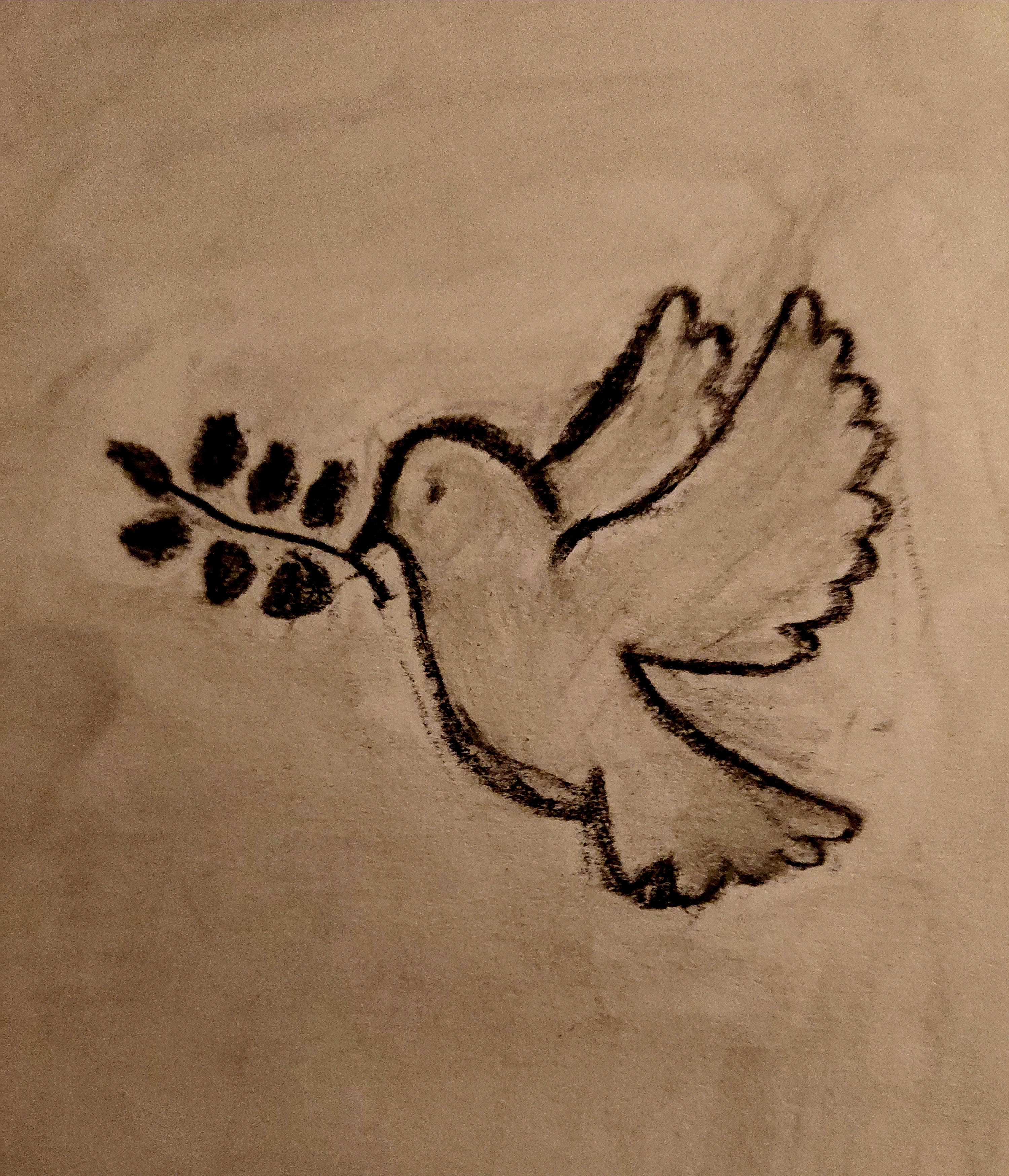
Irelands favourite folk song is The Green Fields of France. The song was originally called No Man’s Land and was written by Scottish-born Australian songwriter, Eric Bogle in 1976. It’s a story of a man stopping by the graveside of a young Irish WW1 soldier, Willie McBride, killed in his prime at the age of nineteen. The man sits by the grave to reflect on the waste of the life of the young soldier, and others like him.

The anti-war song was written to address the prejudice against the Irish in Britain, a year after the Birmingham and Guildford bombings. A reminder that many Irishmen died in the war while serving for the British Army.

The Furey Brothers and Davey Arthur’s version of the song, The Green Fields of France, was recorded in 1979 and it remained in the Irish charts for twenty eight weeks.

I think the most significant verse of this song is the last one.

Ah young Willie McBride, I can’t help wonder why

Do those that lie here know why did they die?

And did they believe when they answered the cause

Did they really believe that this war would end wars?

Well the sorrow, the suffering, the glory, the pain

The killing and dying, were all done in vain

For young Willie McBride, it all happened again

And again, and again, and again, and again.

Seamrógs and Wee Green Men #100DaysOfOldDays

Day 32 #100DaysOfOldDays

Today’s post is also written for Marsha Ingrao’s WQW

It’s hard to believe that our wee leprechauns are around since the 8th century. I think they’ve been around much longer than that, they just hadn’t been discovered.

They like to hide away from humans because everyone wants to catch one. I don’t know why Irish people feel the need to catch a leprechaun anyway…sure aren’t we well known around the world as being lucky sods!

If you’re ever lucky enough to catch a leprechaun, don’t forget he comes from the fairy family and he’s full of trickery. He’ll promise you gold and youth, and make all sorts of deals with you in return for some of his gold. Be careful…he is not to be trusted.

Leprechauns will spot a Cavan man a mile away, and totally take the mickey out of him. So if you’re from Cavan and you’re going out hunting for wee green men, wear the Kerry jersey. (They love the Kerry people)

Centuries ago, leprechauns wore red. They changed from red to green because of their love for the Irish people and the country’s attachment to the colour green. That’s my theory anyway!

No one has ever seen a female leprechaun. Legend has it that there are no females! Suspicious as well as curious.

Maybe it would be easier (and safer) to look for a four-leaf clover.

They’re hard to find too. But hey…the three-leaf clover which is also called a shamrock, is just as lucky.

Shamrock comes from the Irish word seamróg, which means, little plant. Each leaf on the shamrock has its own meaning; faith, hope, love. It is said that St Patrick used the shamrock to teach about the Holy Trinity—The Father, Son and The Holy Spirit.

If you can’t catch a leprechaun, or find a four-leaf clover……..

“May the saddest day of your future be no worse than the happiest day of your past.”

The Way Mammy Used to Make it #100DaysOfOldDays

Day 27 #100DaysOfOldDays #WQW

“Ample food an sturdy drink, a pillow for your head.  And may you be 40 years in heaven before the devil knows you’re dead!” – Irish Blessing

“Make it like Mammy used to.”

That’s what a husband dared to say long ago. He wouldn’t get away with saying it nowadays. If he insinuated in any way that his wife’s cooking wasn’t up to his Mammy’s standard, one of two things would happen; the tolerant wife would pretend she didn’t hear him and he’d eat what he was given, or the intolerant wife would send him home to his mammy with his suitcase!

“I’m not ignoring you…I’m practicing selective hearing.” Linda Poindexter.

But we must admit, there was something special about the Irish stew, the treacle bread, and the boxty. Even the jelly and custard was different back in the day.

What was the secret? Was it all the salt? Or the bitta sugar that went into everything. The Yummy Mummy of today wouldn’t dream of adding sugar to her carrots.

Maybe the secret is that it was made with love!

♡ ♡ ♡

Maybe boxty was so good because it was fried on a hot skillet or in a pan of lots of grease; probably lard. It tasted too good!

‘Boxty on the griddle, boxty on the pan, if you can’t make boxty, you’ll never get a man.’

Maybe that rhyme encouraged the young women to perfect the boxty recipe!

Here it is for anyone out there trying to grab the attention of a promising young Irish bachelor!

Peel and grate 4 potatoes. Mix with 2 oz of plain flour,1 egg, pinch of bread soda and a pinch of salt. Heat oil of your choice, (and a wee knob of butter) on a frying pan. When you ‘hear’ it sizzling, form your mixture into separate little patties and fry on the pan for about 3 minutes on each side.

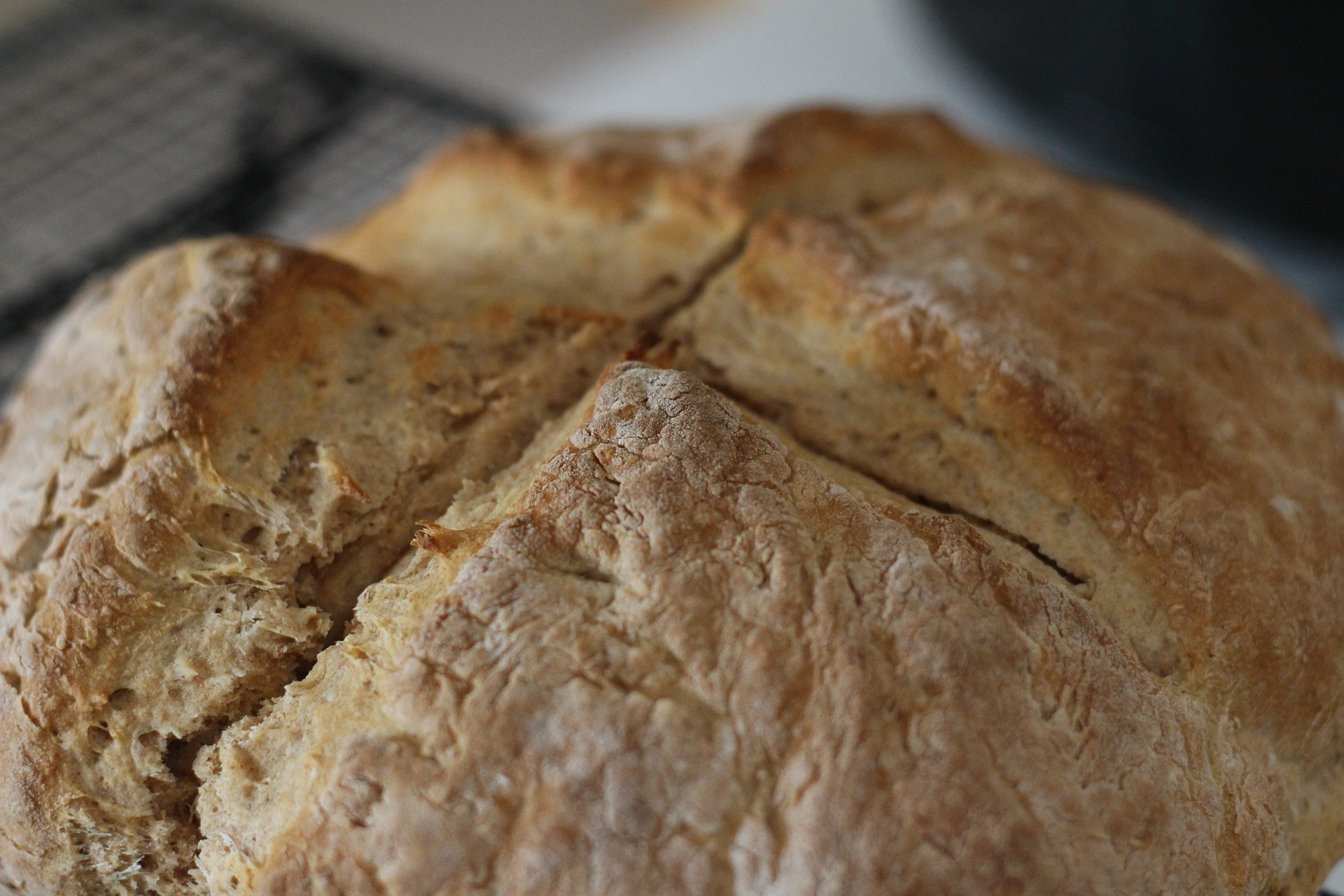
There’s nothing more homely and comforting than the sight of a loaf of bread fresh out of the oven. I think the traditional Irish soda bread was so good back then because they didn’t measure the ingredients. Here’s how my mammy used to make it.

A couple of handfuls of flour, a good big lump of butter, a bit of salt, a few spouts of buttermilk, a small spoon of bread soda and don’t forget the sugar. Stick it in the oven until it’s nice and brown. If the oven gets too hot, open the door of the range a wee bit.  

Coddle was a one-pot dish made with the leftovers from the week. Potatoes, onion, carrots, bacon and sausage. I’m sure it’s a stew you could put anything into.

Colcannon was another common dinner in Irish homes. Simple and nutritious. Creamy mashed potatoes with cabbage mixed through it. Often served with boiled bacon. Still a favourite today in some households. The good ‘old bacon and cabbage!

“There’s no place like home Bridie.” Nedzer

We can’t talk about Irish food without the mention of Irish beverages.

Irish Coffee. There’s a special way to make it. I’ve mastered it!

Lightly whip about two tablespoons of cream. Pour freshly brewed coffee into a hot mug or heatproof glass. Add 50ml of Paddy whiskey. Stir in ½ – 1 tsp of brown sugar. The next part is very important. Warm a teaspoon. Gently pour the cream onto the back of the spoon while holding it close to the coffee. As soon as it ‘touches’ the coffee, it should spread nicely across the top of it, rather than mix through it.

Guinness. Guinness is on the go since 1759. I will be dedicating a full post to Guinness sometime during my #100DaysOfOldDays.

I usually drink Guinness when I’m in a pub. It’s a good session drink because once I get to my 5th small glass I’ve had enough, and it never gives me a hangover. (Yes, I know I know…five small glasses is hardly a session)

They say there’s eating and drinking in Guinness, which is a good thing when you’re from Cavan.

Jameson whiskey. One of the oldest distilleries in Ireland and Stephano’s favourite whiskey! Like Guinness, I will be giving Jameson a post of its own at some point during our #100DaysOfOldDays

Hot whiskey. According to my in-house whiskey expert, Paddy makes a good hot one. (Not Paddy from over the road – Paddy the whiskey.) Now, you can’t have a hot whiskey without a slice of lemon studded with cloves. You just can’t. Your sense of smell will miss out on the true experience of a hot Irish whiskey!

“Nothing is more memorable than a smell.” Diane Ackerman

Today’s post is also part of #WQW over on alwayswriteblog.Topic: 5 Senses.

Lucy’s drawing today is of an old style Guinness bottle.